Why Fan Type Matters in System Design
Choosing the right fan for your ventilation setup can impact energy efficiency, airflow distribution, and installation success. Inline and axial fans are two of the most common fan types used in commercial and industrial environments.
Fan Movement helps you identify which fan type suits your layout, performance requirements, and system constraints. Here’s how they compare.
What Are Inline Fans?
Inline fans are installed directly within ducting systems. They draw or push air through long ducts, often as part of HVAC or extraction systems.
Best For
• Confined spaces
• Long duct runs
• Ventilation with acoustic or space constraints
• Odour and fume extraction
Advantages
• Space-saving and hidden installation
• Low noise when installed correctly
• Easy integration into existing ductwork
What Are Axial Fans?
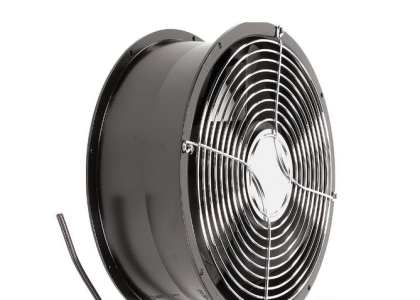
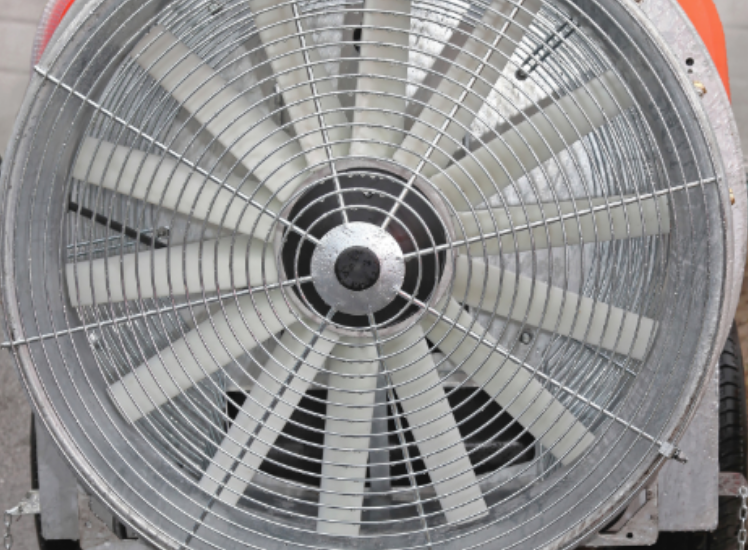
Axial fans move air in a straight line, often mounted on walls, windows, or open structures. They are typically used where direct, high-volume airflow is needed.
Best For
• Open-plan facilities
• Warehouses and workshops
• Fast cooling and air replacement
• Temporary or mobile airflow
Advantages
• High airflow at low pressure
• Easy to install and reposition
• Available in portable and mounted formats
Key Differences at a Glance
| Feature | Inline Fans | Axial Fans |
| Installation | Duct-integrated | Surface-mounted or portable |
| Airflow Pressure | Medium to high | Low to medium |
| Noise Levels | Lower when insulated | Can be higher |
| Space Usage | Space-saving | Requires mounting clearance |
FAN MOVEMENT – Helping You Choose with Confidence
Every building is different. Whether you’re working with a drop ceiling, a long duct system, or open wall space, Fan Movement will help you choose the best option for efficient airflow. We supply both inline and axial models suited for industrial, commercial, and specialist environments.
“Choose smart. Move air better.”