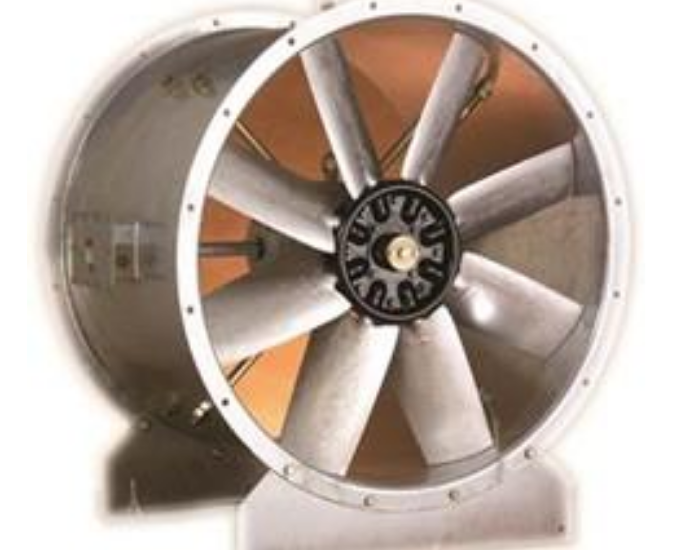
Whether you’re an engineer, a building manager, or just someone curious about airflow solutions, getting to know cased axial fans can make a real difference in how you approach ventilation and air circulation. These fans play a huge role in keeping spaces cool, efficient, and well-ventilated—whether in buildings, factories, or other setups.
In this article, we’ll explore what cased axial fans are, how they work, and why they’re such a smart choice for various applications.
What Exactly Are Cased Axial Fans?
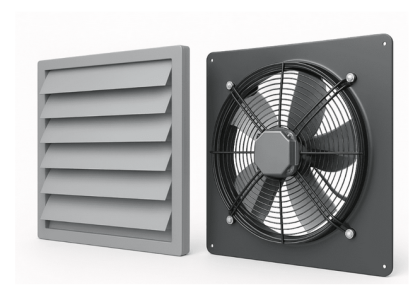
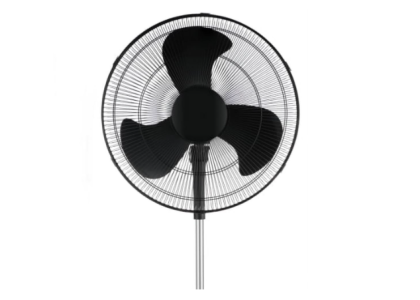
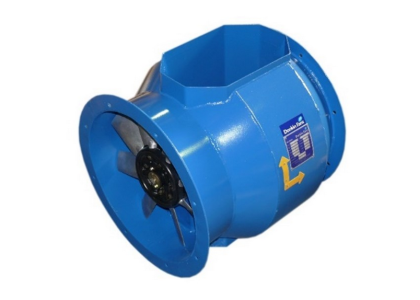
Imagine a fan that moves air straight through it, parallel to its blades. That’s your basic axial fan. Now, when we talk about “cased” axial fans, we’re referring to these fans housed within a protective casing. This design not only safeguards the fan components but also optimises airflow by directing it more efficiently. Think of it as the difference between a garden hose with and without a nozzle—the casing helps focus and control the airflow.
Why Should You Care About Them?
Great question! Cased axial fans are like the unsung heroes in various industries. Here’s why they’re worth your attention:
- Energy Efficiency: These fans are designed to move large volumes of air with minimal energy. Especially when operating at low static pressure, they consume less power, which translates to cost savings on your energy bills.
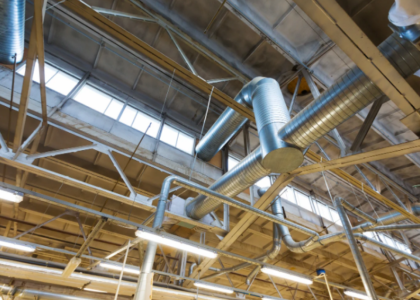
- Versatility: From HVAC systems in skyscrapers to cooling systems in data centers, cased axial fans are adaptable. They’re used in industrial settings like factories and warehouses, ensuring proper ventilation and temperature control.
- Compact Design: Their streamlined structure allows for installation in tight spaces without compromising performance. This is particularly beneficial in retrofitting projects where space is at a premium.
- Low Noise Levels: Nobody likes a noisy fan. Cased axial fans are engineered to operate quietly, making them ideal for environments where noise reduction is crucial, like offices or hospitals.
Diving Deeper: How Do They Work?
At the heart of a cased axial fan is the impeller—a hub with blades attached. When the motor powers the impeller, the blades rotate, creating a pressure difference that moves air along the axis of rotation. The casing then directs this airflow, enhancing efficiency and protecting the internal components from external factors like dust or debris.
Where Will You Find These Fans in Action?
Cased axial fans are everywhere, even if you don’t see them. Here are some common applications:
- Building Services: In commercial buildings, these fans are integral to HVAC systems, ensuring that air circulates efficiently to maintain comfortable temperatures and air quality.
- Industrial Facilities: Manufacturing plants use them to ventilate workspaces, remove fumes, and maintain safe working conditions.
- Data Centers: With the heat generated by servers, effective cooling is essential. Cased axial fans help maintain optimal temperatures, ensuring equipment runs smoothly.
- Agriculture: In greenhouses and livestock farms, these fans regulate temperature and humidity, promoting healthy plant growth and animal welfare.
Choosing the Right Fan: What to Consider
Selecting the perfect cased axial fan isn’t just about picking the first one you find. Here are some factors to keep in mind:
- Airflow Requirements: Determine the volume of air you need to move. This will guide you in selecting a fan with the appropriate capacity.
- Static Pressure: Understand the resistance the fan will face in your system. Higher resistance requires a fan capable of handling increased static pressure.
- Energy Consumption: Look for fans that offer high efficiency to keep operational costs low. Modern fans with electronically commutated (EC) motors are known for their energy-saving capabilities. Also consider an energy efficient motor with an IE3 or IE4 rating.
- Noise Levels: If the fan will be in a noise-sensitive area, prioritize models designed for quiet operation.
- Environmental Factors: Consider the environment where the fan will operate. For instance, in corrosive or high-humidity areas, you’ll need a fan with appropriate protective features.
When it comes to selecting the right cased axial fan for your needs, consulting with experts can make all the difference. Fan Movement specialises in airflow solutions and offer a range of cased axial fans tailored to various applications, ensuring optimal performance and energy efficiency. By partnering with professionals like Fan Movement, you can ensure that your ventilation systems are not only effective but also aligned with the latest advancements in fan technology.